Guest Editors
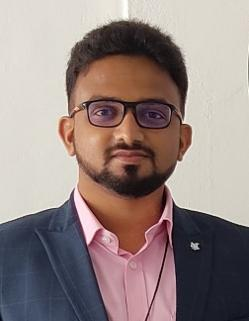
Dr. Sharun Khan
Email: sharun.khan@northwestern.edu
Affiliation: Center for Regenerative Nanomedicine, Northwestern University, Chicago, IL 60611, USA
Homepage:
Research Interests: Regenerative Medicine, Wound Healing, Tissue Engineering, Bone Regeneration, Stem Cell Therapy, Stem Cell Biology, Mesenchymal Stem Cells, Animal Models, Hydrogel, Cartilage Regeneration, Stromal Vascular Fraction, Platelet-Rich Plasma
Summary
The significance of Tissue engineering and regenerative medicine (TERM) lies in its potential to address the limitations of traditional medical treatments, offering promising alternatives for conditions that currently lack effective therapies. Recent advancements have led to the development of lab-grown tissues and organs, such as blood vessels, which hold immense potential for clinical applications. Central to these innovations are the molecular mechanisms that govern cellular behavior, differentiation, and interaction.
Aim and Scope
This Special Issue aims to showcase cutting-edge research and developments in TERM, providing a platform for experts worldwide to share their findings. We welcome contributions that explore novel approaches, technologies, and methodologies to advance the understanding and application of molecular mechanisms at the cellular biology level.
The scope includes, but is not limited to:
· Innovative tissue engineering techniques
· Advancements in regenerative therapies
· Development and application of biomaterials
· Stem cell research and its applications
· Clinical trials and translational studies
Suggested Themes
We encourage submissions on a variety of themes within TERM, including:
1. Bioinspired Materials for Regenerative Medicine: Design, synthesis, characterization, and application of bioinspired materials, with an emphasis on their biocompatibility and interaction with cellular signaling pathways.
2. Advances in 3D Bioprinting: Innovations in three-dimensional bioprinting technologies that incorporate molecular cues for enhanced tissue and organ fabrication.
3. Stem Cell Therapies: Exploration of stem cells in regenerative medicine, focusing on molecular mechanisms governing MSC isolation, differentiation, and their roles in tissue regeneration.
4. Clinical Applications and Trials: Studies focusing on translating TERM research into clinical settings, emphasizing how molecular insights drive recent innovations and emerging trends.
5. Emerging Trends in Regenerative Medicine: Identification and analysis of new developments in regenerative medicine, highlighting molecular innovations reshaping diagnostic, therapeutic, and preventive practices.
This Special Issue aims to provide a comprehensive platform for discussing cutting-edge research and practices in TERM while prominently highlighting the molecular mechanisms that underpin cellular biology, thereby contributing to improved healthcare delivery, enhanced patient outcomes, and overall community well-being.
Keywords
tissue engineering, regenerative medicine, stem cell therapy, biomaterials, 3D bioprinting, scaffold design, tissue regeneration, organ transplantation, cellular therapies, extracellular vesicles
Published Papers

 Login
Login Register
 Submit a Paper
 Propose a Special lssue