 Open Access
ISSN:0327-9545 (print)
ISSN:1667-5746 (online)
Publication Frequency:Monthly





BIOCELL is an international, peer-reviewed, open access journal on molecular and cellular biosciences. The journal welcomes high quality original research articles, review papers, communications, perspectives, commentaries, etc. Topics of interest include but are not limited to: Cellular Biochemistry, Structural & Molecular Biology, Cellular/Molecular Biology, Immunology, Pathology & Neurobiology, Cell Signaling, Regenerative Biology & Stem Cells, Cancer Biology, RNA Biology, Genomics, Transcriptomics, Proteomics & Metabolomics, Plant Molecular & Cellular Biology.
Science Citation Index Expanded (SCIE): 2024 Impact Factor 1.0; Journal Citation Report/Science Edition (JCR); Scopus; Scopus Citescore (Impact per Publication 2024): 2.0; SNIP (Source Normalized Impact per Paper 2024): 0.256; Sociedad Argentina de Investigaciones en Bioquímica y Biología Molecular (SAIB); Portico, etc.
 Open Access
PROTOCOL
BIOCELL, Vol.50, No.4, 2026, DOI:10.32604/biocell.2026.074572 - 21 April 2026
(This article belongs to the Special Issue: Innovations in Musculoskeletal Biology, Disease, and Regeneration)
Abstract Objective: Although endplate (EP) injury may cause intervertebral disc (IVD) degeneration and Modic changes (MCs) in the vertebral bone marrow (VBM), EP injury-induced synchronous cellular reactions and their crosstalk in the IVD and VBM remain unclear. This protocol-based study aimed to streamline and optimize the methods of tissue harvest and cell preparation for flow cytometry (FCM) analysis of T-cell and macrophage subpopulations in both VBM and IVD adjacent to the surgically induced EP microfracture in mice. Methods: EP injury or sham procedure was performed at the spinal levels L4-5 and L5-6 in male mice. Step-by-step… More >
Open Access
REVIEW
BIOCELL, Vol.50, No.4, 2026, DOI:10.32604/biocell.2025.072104 - 21 April 2026
(This article belongs to the Special Issue: The Role of γδ T Cells and iNKT Cells in Cancer: Unraveling Molecular Mechanisms and Therapeutic Potential)
Abstract Ovarian cancer (OC) remains the most lethal gynecological malignancy, and it is characterized by high heterogeneity, early metastatic dissemination, and frequent recurrence within 12–18 months after primary therapy. Despite progress in clinical management and drug development, the mortality rate remains high, and the biological drivers of OC aggressiveness are not fully understood. A major contributor to therapeutic resistance and disease progression is the ovarian tumor microenvironment (TME), which supports tumor growth and immune evasion. Its complexity poses significant challenges to the development of effective therapies. Current treatments, especially in advanced or recurrent stages, have limited… More >
Open Access
REVIEW
BIOCELL, Vol.50, No.4, 2026, DOI:10.32604/biocell.2025.072732 - 21 April 2026
(This article belongs to the Special Issue: Natural and Synthetic Small Molecules in the Regulation of Immune Cell Functions)
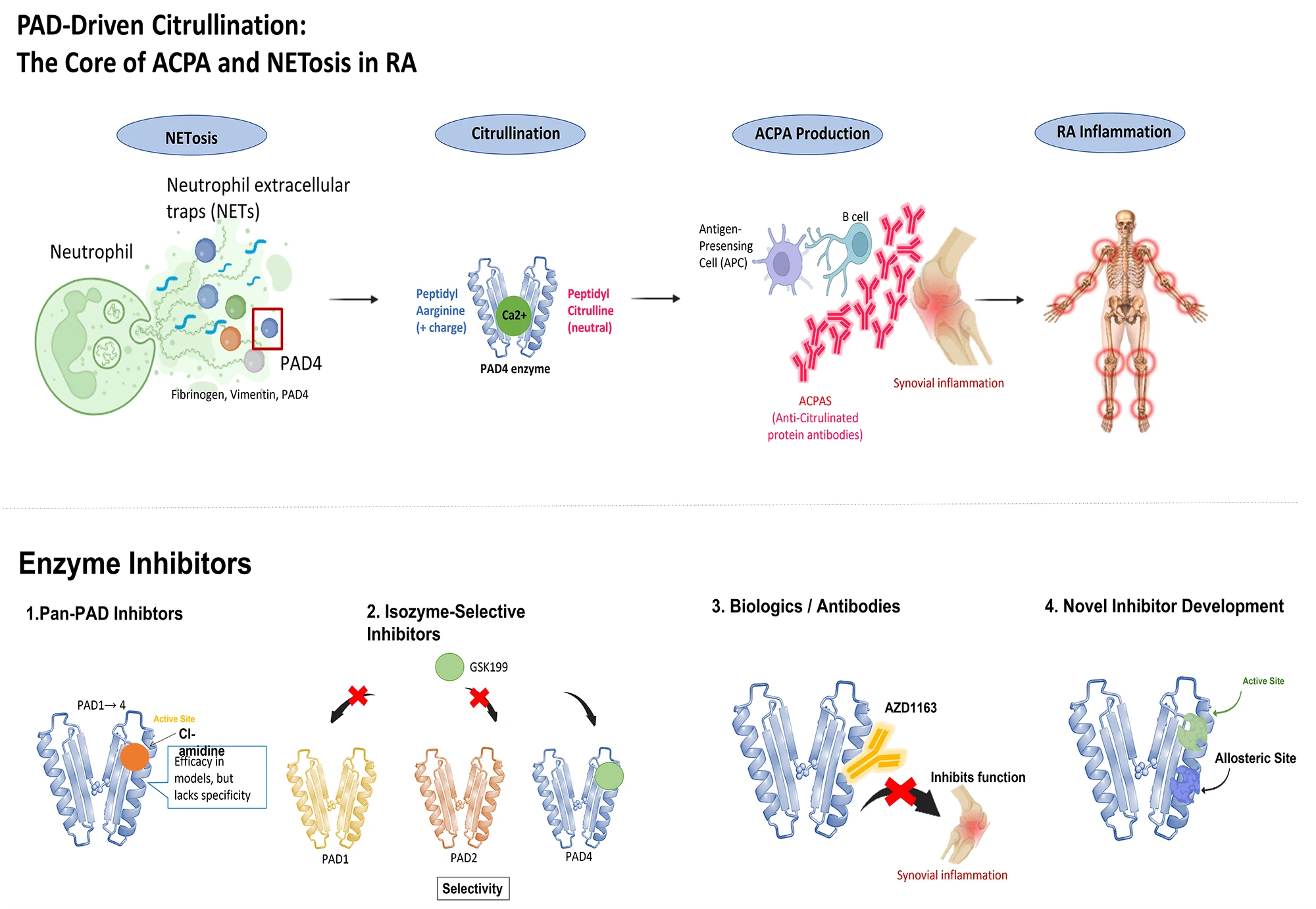
Abstract Protein arginine deiminases (PADs) are key enzymes in the development of rheumatoid arthritis (RA), catalyzing the conversion of arginine to citrulline in a process called citrullination. This post-translational modification is crucial to RA pathogenesis as it creates neo-antigens that trigger the production of anti-citrullinated protein antibodies (ACPAs). These ACPAs are highly specific to RA and often appear before clinical symptoms, making them valuable biomarkers for diagnosis and prognosis. Beyond ACPA production, PADs, particularly PAD4, play a vital role in forming neutrophil extracellular traps (NETs). NETs contribute to inflammation and joint damage, further highlighting the importance… More >
Graphic Abstract
Open Access
REVIEW
BIOCELL, Vol.50, No.4, 2026, DOI:10.32604/biocell.2026.072752 - 21 April 2026
(This article belongs to the Special Issue: Molecular Basis for the Involvement of Inflammation and Lipids in Pathologies)
Abstract Atherosclerosis (AS) is a key contributor to ischemic heart disease, resulting in significant cardiovascular (CV) morbidity and mortality worldwide. Despite advancements in managing conventional risk factors, including the utilization of statins, recurrent adverse cardiovascular events remain prevalent, emphasizing the need for novel therapeutic strategies. This review explores the critical role of inflammation in the pathogenesis of coronary artery disease (CAD) and highlights potential atheroprotective approaches targeting inflammatory pathways. We discuss the multifaceted interplay between immune responses and AS, detailing the contributions of myeloid cells, T lymphocytes, and various cytokines in plaque formation and instability. Recent More >
Open Access
REVIEW
BIOCELL, Vol.50, No.4, 2026, DOI:10.32604/biocell.2025.074863 - 21 April 2026
Abstract Myocardial ischemia, a core pathological process underlying diverse cardiovascular diseases such as coronary artery disease, poses a severe threat to global human health by frequently leading to acute myocardial infarction, heart failure, and even sudden cardiac death. A comprehensive understanding of its intricate underlying pathogenic mechanisms is not only crucial for developing effective therapeutic strategies but also essential for accelerating the translation of basic research findings into clinical practice. However, the complex regulatory networks that drive myocardial ischemia remain to be systematically clarified. These networks encompass the intricate interactions among multiple pathological processes, including energy… More >
Open Access
REVIEW
BIOCELL, Vol.50, No.4, 2026, DOI:10.32604/biocell.2026.075338 - 21 April 2026
(This article belongs to the Special Issue: Cellular and Molecular Mechanisms of Gut Microbiota, Oxidative Stress, and Inflammation in Health and Disease)
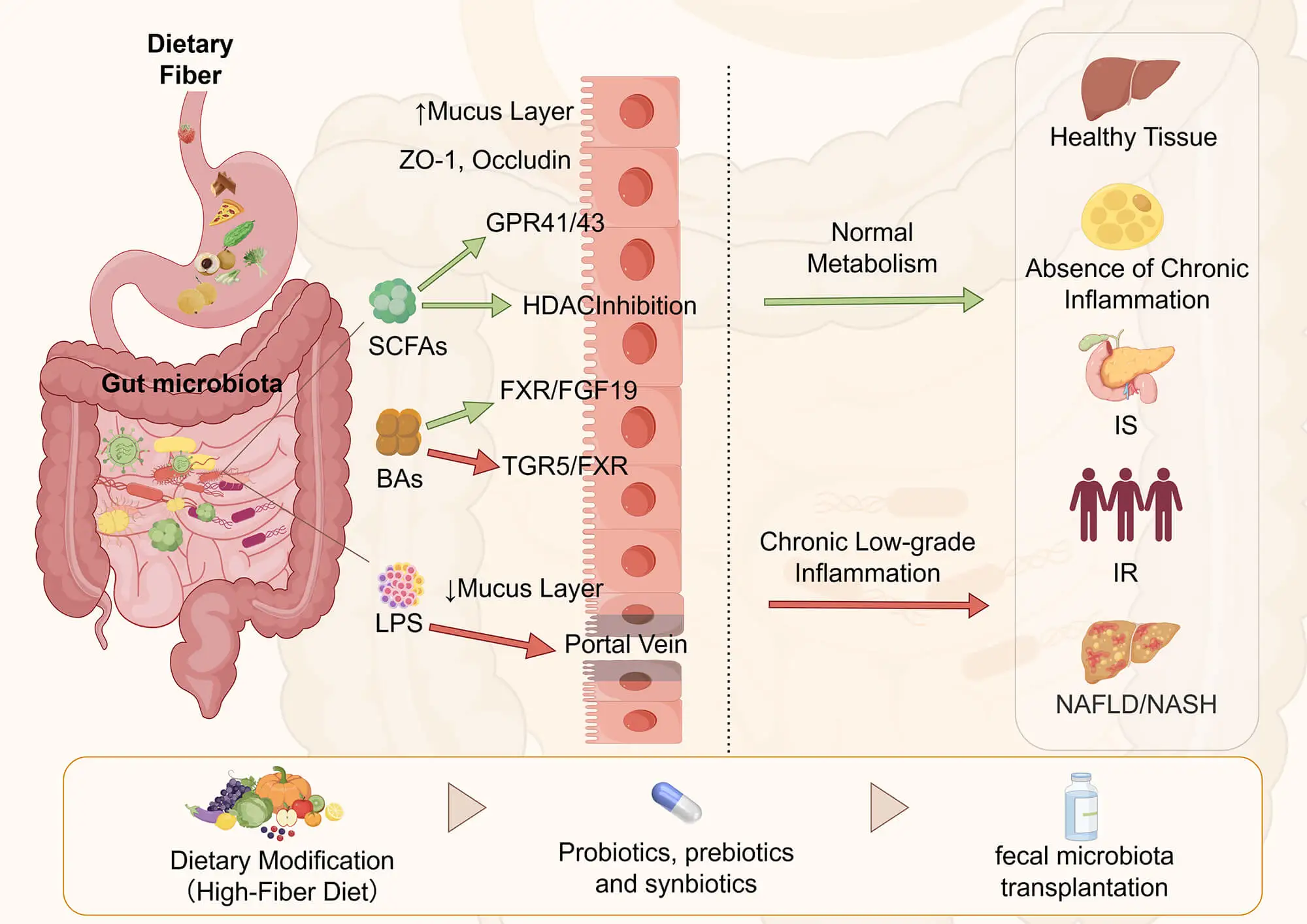
Abstract The gut microbiota plays a pivotal role in maintaining host metabolic homeostasis. Accumulating evidence has demonstrated that dysbiosis of the gut microbiota is closely associated with metabolic disorders, including obesity, type 2 diabetes mellitus (T2DM), and non-alcoholic fatty liver disease (NAFLD). These alterations affect energy harvest, bile acid and short-chain fatty acid metabolism, intestinal barrier integrity, and low-grade inflammation, thereby contributing to insulin resistance and ectopic fat accumulation. In this narrative review, we summarize current knowledge on microbiome-host interactions in metabolic diseases, with a focus on energy metabolism, immune regulation, and inflammatory pathways. We further More >
Graphic Abstract
Open Access
ARTICLE
BIOCELL, Vol.50, No.4, 2026, DOI:10.32604/biocell.2026.075633 - 21 April 2026
(This article belongs to the Special Issue: Bioactive Natural Components as Regulators of Cellular Pathways and Disease Progression)
Abstract Objectives: IgA nephropathy (IgAN) is a common primary glomerulonephritis with limited treatment options. Gallic acid (GA) has demonstrated renal protective effects, but its precise mechanisms against IgAN remain incompletely elucidated. This study aims to reveal the molecular mechanism by which GA exerts a renal protective effect on IgAN. Methods: Transcriptomics and network pharmacology were combined in an integrative manner. The GSE175759 dataset’s differentially expressed genes (DEGs) were filtered out. SwissTargetPrediction and Traditional Chinese Medicine Systems Pharmacology Database and Analysis Platform (TCMSP) were used to forecast GA’s goals. Core targets and pathways were obtained by functional… More >
Open Access
ARTICLE
BIOCELL, Vol.50, No.4, 2026, DOI:10.32604/biocell.2026.074951 - 21 April 2026
(This article belongs to the Special Issue: Modulation of Inflammation, Oxidative Stress, and Mitochondrial Function: Therapeutic Perspectives Across Diseases)
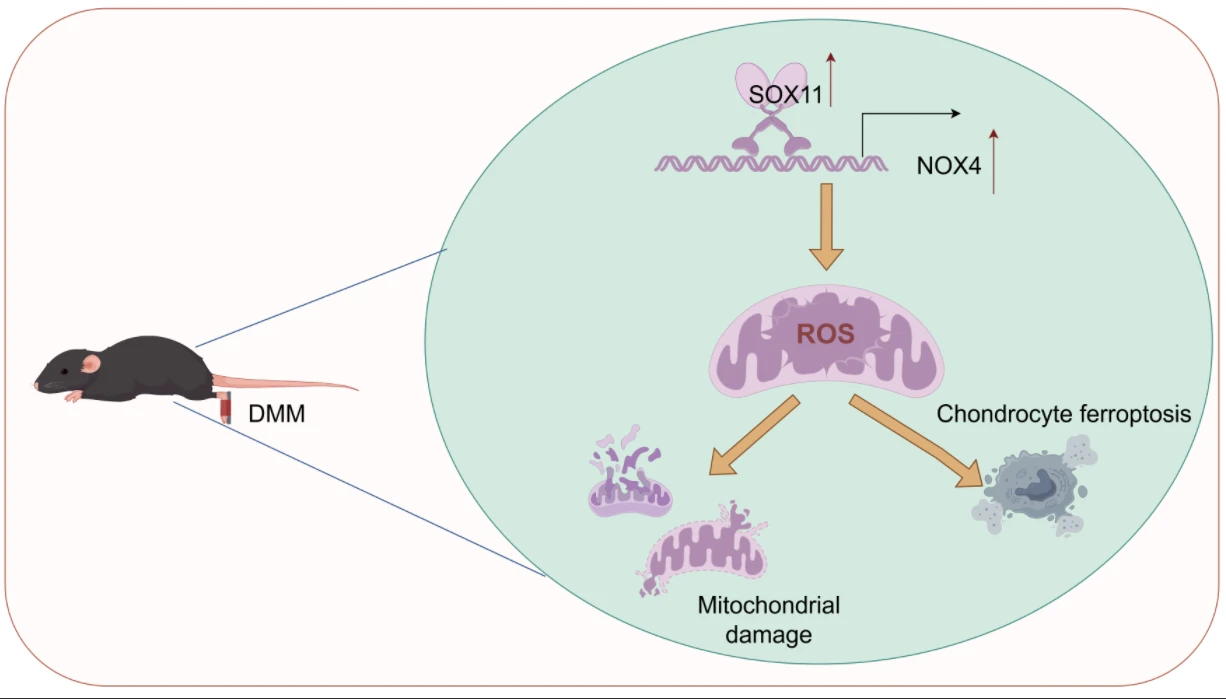
Abstract Objectives: Mitochondrial dysfunction and ferroptosis play crucial roles in osteoarthritis (OA), but the mechanisms remain unclear. This study aims to investigate the mechanism of sex-determining region Y-box transcription factor (SOX) 11/nicotinamide adenine dinucleotide phosphate (NADPH) oxidase 4 (NOX4) axis-mediated mitochondrial dysfunction and ferroptosis in OA. Methods: Destabilization of the medial meniscus (DMM) induced knee OA in mice. Chondrocytes were stimulated with IL-1β. Ferroptosis and mitochondrial function-related indicators were detected by immunofluorescence, 5,5′,6,6′-Tetrachloro-1,1′,3,3′-tetraethyl-imidacarbocyanine iodide (JC-1) staining, flow cytometry, quantitative real-time polymerase chain reaction (qRT-PCR), and Western blot. Results: OA mice had 4.4 and 1.1-fold increase in SOX11… More >
Graphic Abstract
Open Access
ARTICLE
BIOCELL, Vol.50, No.4, 2026, DOI:10.32604/biocell.2026.073331 - 21 April 2026
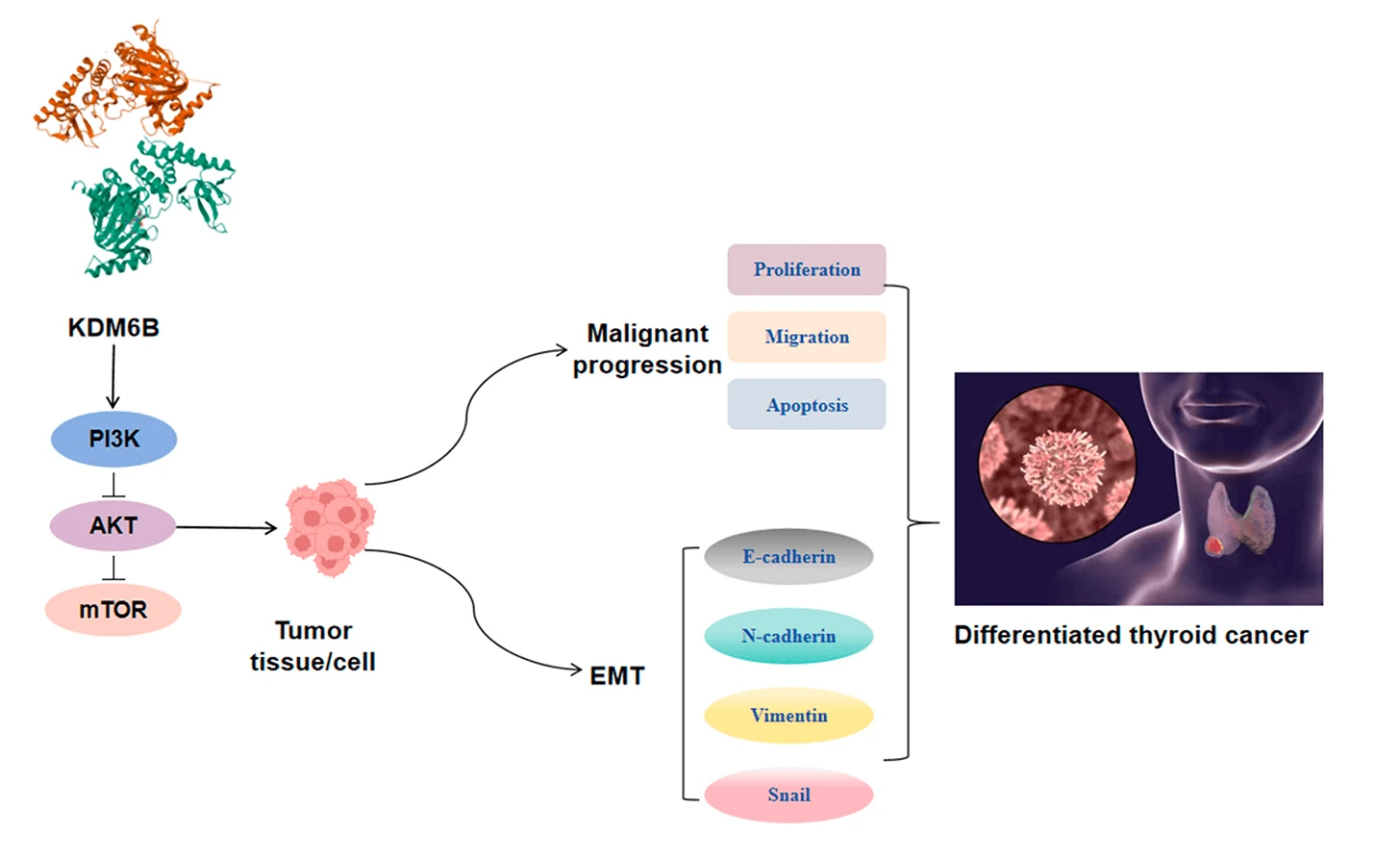
Abstract Objectives: The tumor microenvironment and epithelial-mesenchymal transition (EMT) are closely linked to the progression of differentiated thyroid cancer (DTC). However, the functional mechanisms of lysine-specific demethylase 6B (KDM6B) in carcinogenesis remain incompletely understood. This study aims to clarify whether KDM6B affects DTC progression and EMT through the phosphatidylinositol 3-kinase/protein kinase B/mammalian target of the rapamycin (PI3K/AKT/mTOR) pathway, providing a potential target for clinical treatment of DTC. Methods: Tissue samples from DTC patients (n = 39) were collected, and KDM6B expression was determined through Reverse Transcription-Polymerase Chain Reaction (RT-PCR) and Western blot. Cell counting kit-8 assay, 5-Ethynyl-2′-deoxyuridine… More >
Graphic Abstract
Open Access
ARTICLE
BIOCELL, Vol.50, No.4, 2026, DOI:10.32604/biocell.2026.075982 - 21 April 2026
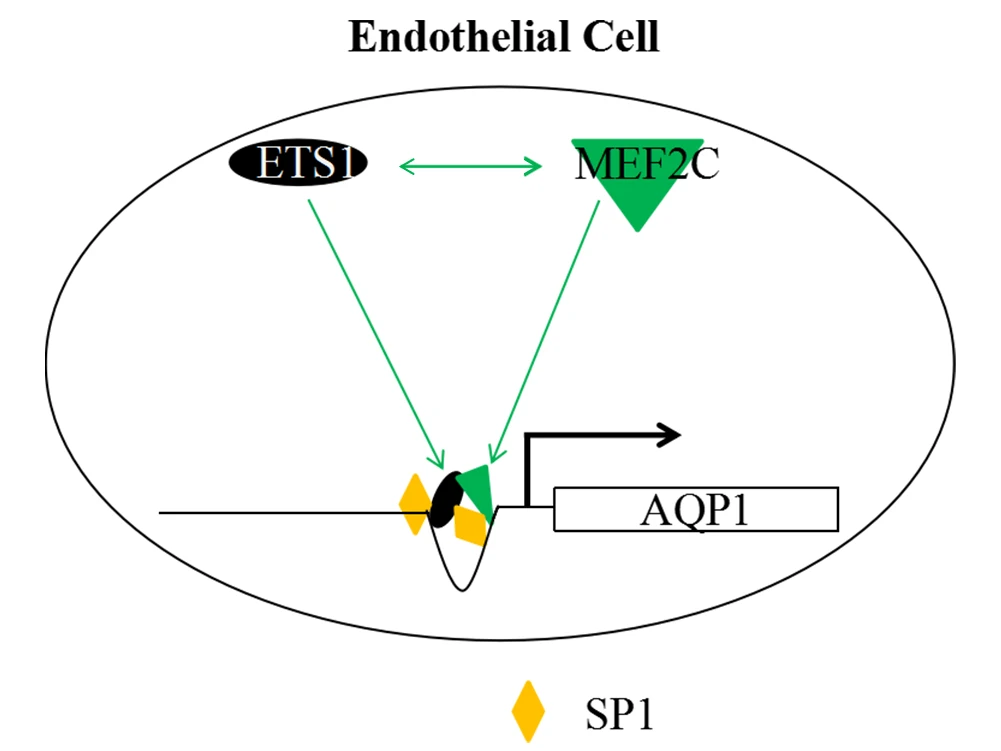
Abstract Background: Aquaporin 1 (AQP1) plays a key role in myocardial ischemia-reperfusion (I/R) injury. This study aimed to elucidate the mechanisms by which erythroblast transformation-specific 1 (ETS1) and myocyte enhancer factor 2C (MEF2C) regulated AQP1 transcription. Methods: Human umbilical vein endothelial cells (HUVECs) and rats with coronary heart disease were employed for in vitro and in vivo experiments, respectively. Expressions of ETS1, MEF2C, and AQP1 were analyzed by western blotting and quantitative reverse transcription polymerase chain reaction (qRT-PCR). Chromatin immunoprecipitation (ChIP) and co-immunoprecipitation (Co-IP) assays were performed to confirm the interactions between ETS1 and MEF2C. Scratch wound healing and… More >
Graphic Abstract

 Login
Login Register
 Submit a Paper
 Propose a Special lssue